
 Our group
Chile
2024VPI Working Group
Secretariat
Fundación Empresas Indígenas
Sector: Mining and hydrocarbons
Inaugurated in September 2024 following a stakeholder mapping commissioned by VPI Global to the UC Sustainability Program.
View group
Voluntary Principles on Security and Human Rights
Since September 2024, we promote the implementation of the Voluntary Principles in the mining and energy sectors in Chile, so that operations meet higher standards of security and respect for human rights. Government, business, civil society, academia and Indigenous peoples take part in the Group.
We are a national group in the network of the Voluntary Principles Initiative. We do not speak on behalf of the Initiative or of the Principles.
According to the Initiative’s announcement of 5 September 2024, the launch of the Chile Working Group brought together around 30 stakeholders, including representatives of nine mining and energy companies, seven government departments and five civil society organizations. Source
The Voluntary Principles on Security and Human Rights (VPSHR) are a set of voluntary principles that guide companies in the extractive and energy sectors in maintaining the safety and security of their operations within an operating framework that ensures respect for human rights and fundamental freedoms.
Created in 2000, when the governments of the United Kingdom and the United States, companies in the extractive and energy sectors, and non-governmental organizations began a dialogue on security and human rights, the VPs are organized in three categories: risk assessment, relations with public security and relations with private security. Today they are a globally recognized standard addressing human rights risks in security operations.
An effective risk assessment, according to the Principles, considers factors such as the identification of security risks, the potential for violence, the available human rights records of public security forces, paramilitaries and law enforcement, the reputation of private security, the rule of law, conflict analysis and, where companies provide equipment to public or private security, the risk of those transfers.
The Principles ask companies to communicate their policies on ethical conduct and human rights to public security providers; to use their influence to promote that force is used only when strictly necessary and in proportion to the threat; and to record and report credible allegations of human rights abuses by public security to the appropriate host government authorities, urging investigation where appropriate.
For private security, the Principles call for criteria to hire, train and supervise providers in line with human rights; that all allegations of abuses by private security be recorded and credible ones properly investigated; and that the provider properly investigate and report to the company incidents where physical force is used.
Chile is the world’s largest copper producer, and mining plays a central role in its economy.
Sources: Voluntary Principles Initiative, Chile Working Group page
Law No. 21,659 on Private Security, published on 21 March 2024 and in force since 28 November 2025, requires those who carry out private security activities and the entities required to have private security measures (Title II) to respect and protect human rights and fundamental freedoms (Art. 4 No. 5). To obtain certification, personnel must be trained, at least, in the subjects the law lists, among them respect for and promotion of human rights (Art. 60). The law does not mention the Voluntary Principles.
Sources: Law No. 21,659, text at the Library of the National Congress of Chile · Undersecretariat for Crime Prevention, news item of 28 November 2025
The law provides that those who carry out private security and the entities required to have private security measures observe the rules and instructions of the Ministry in charge of Public Security, through the Undersecretariat for Crime Prevention and the Supervisory Authority, and coordinate their activities with Carabineros de Chile (Art. 4 No. 1 and 2).
Sources: Law No. 21,659, text at the Library of the National Congress of Chile
Origin and Mission
The Chile Working Group was born from joint work between the VPI Global Secretariat, the UC Sustainability Program and Chilean ecosystem actors linked to security and human rights.
Jul 2023
Stakeholder mapping in Chile commissioned by VPI Global to the UC Sustainability Program.
Sep 2024
Chile Working Group inaugurated.
Jul 2025
The Working Group begins meeting regularly under the Secretariat of Fundación Empresas Indígenas.
Mar 2026
First in-person plenary session in Santiago.
Mission
Continuously improve the promotion and respect of human rights in the context of security practices in the natural resources and energy sectors in Chile, with a strongly preventive mandate.
The actors of the Chile Working Group
The Voluntary Principles grew out of a dialogue between governments, companies and non-governmental organizations. The Chile Working Group is organized in three pillars —Government; Business; Civil Society, Academia and Indigenous Peoples— to drive their implementation.
Representatives of the Chilean government: public institutions linked to security, human rights and mining.
Division of Dialogue and Social Participation — Ministry of Mining · Carabineros, Human Rights Directorate · Undersecretariat of Human Rights — Ministry of Justice and Human Rights · Human Rights Division — Ministry of Foreign Affairs · National Contact Point Representative — SUBREI
Natural resources and energy companies — mining, oil and gas, renewable energy and large-scale agriculture — that take part in the Working Group or are interested in security and human rights.
NGOs, academic centers and organizations with an interest in security and human rights, including organizations representing Indigenous peoples.
Acción Empresas · Centro Vincular · Human Rights Department — University of Chile · Sustainability Program — UC · Fundación Emerge Chile · Fundación Empresas Indígenas
Working Group Objectives
Position the Working Group as a safe space for continuous learning, multi-stakeholder collaboration and advocacy to promote VP implementation in Chile.
Promote the exchange of best practices, experiences and security and human rights tools among members.
Strengthen collaboration between companies, the State, international bodies, civil society, academia and Indigenous peoples.
Develop documents, instruments and tools that allow members to implement the VPs in a practical way.
Promote the implementation of the VPs in Chile by showcasing good practices.
Working Group Platform
This platform brings together in one place the information, tools and dialogue spaces that the Chile Working Group needs to advance Voluntary Principles implementation.
Minutes, tools and diagnostics of the Chile Working Group and the global network, with search by type, language and thematic axis.
Ordinary plenary sessions, technical visits, meetings with the global network and events relevant to the group agenda.
Contacts by pillar — government, companies, civil society, academia and Indigenous peoples — to facilitate coordination between actors.
Permanently updated news feed on Voluntary Principles, human rights and security in the natural resources and energy sectors in Chile and globally.
In-Country Working Groups
The Voluntary Principles are implemented at the national level through In-Country Working Groups (ICWGs), tripartite dialogue spaces where companies, governments and civil society collaborate to improve security and human rights practices in the natural resources and energy sectors of each territory.
Each group is coordinated by a secretariat organization that articulates local actors. According to the Initiative, the network currently has working groups in 10 countries across the Americas, Africa and Oceania — five with In-Country Working Groups (Brazil, Chile, Ghana, Nigeria and Papua New Guinea) and five with Partner Working Groups (Colombia, DR Congo, Guatemala, Mozambique and Peru). Chile was inaugurated in September 2024; the most recent is Papua New Guinea, launched in July 2026 (Myanmar has been suspended since 2021).
Our groupVPI Working Group
Secretariat
Fundación Empresas Indígenas
Sector: Mining and hydrocarbons
Inaugurated in September 2024 following a stakeholder mapping commissioned by VPI Global to the UC Sustainability Program.
View group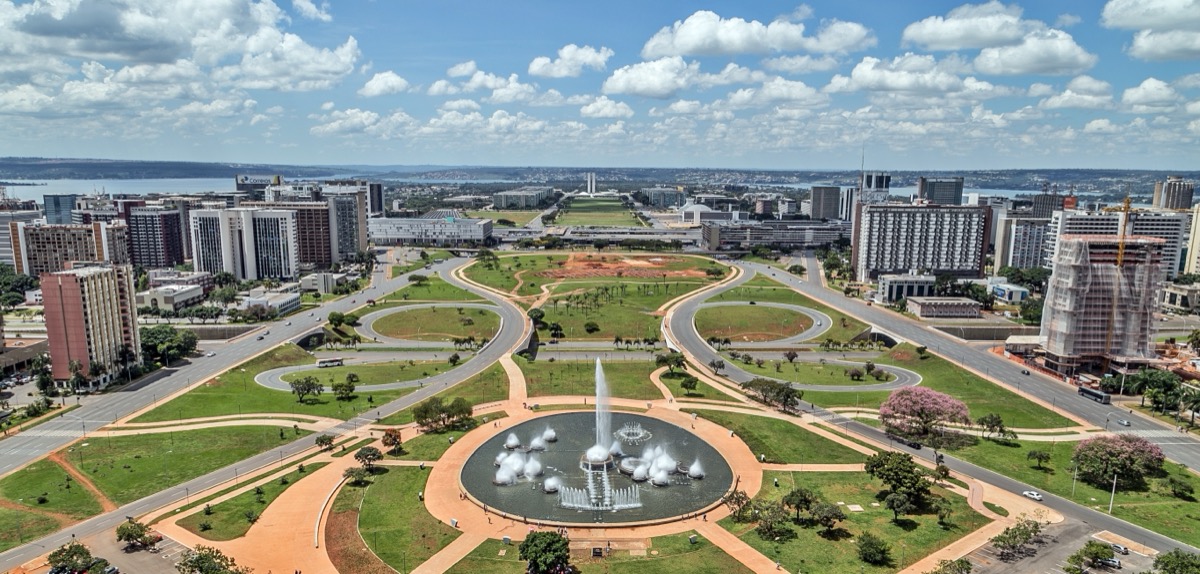
VPI Working Group
Secretariat
Fórum Brasileiro de Segurança Pública
Sector: Mining, oil, gas and energy
Brings together actors from the mining and energy sectors interested in improving VP implementation in the country. Works on training, risk mapping and improving relations between companies and public security forces.
View group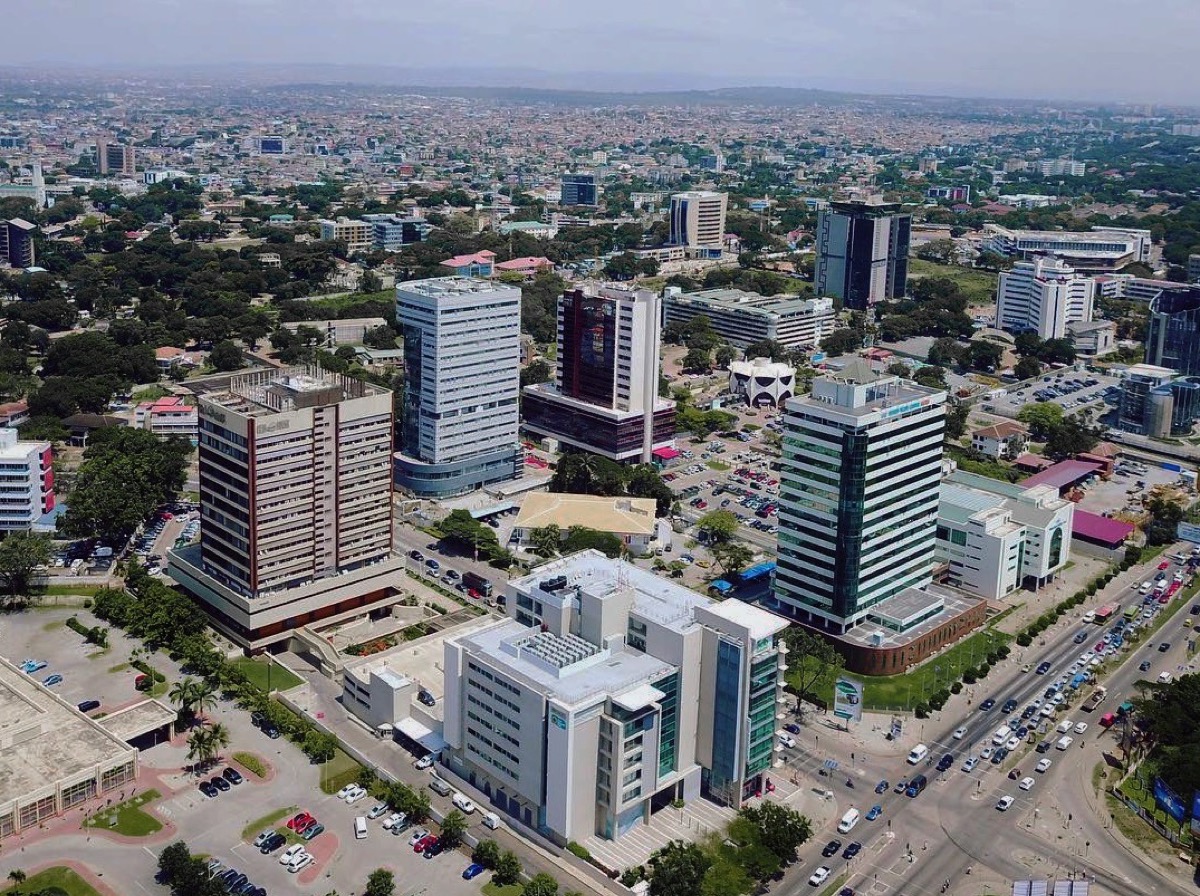
VPI Working Group
Secretariat
The Fund For Peace
Sector: Large-scale mining, oil, gas, artisanal mining
Has met quarterly since 2017 to discuss security and human rights issues in the natural resource sector and to share best practices and lessons learned; supports the efforts of the Government of Ghana to implement programs and policy.
View group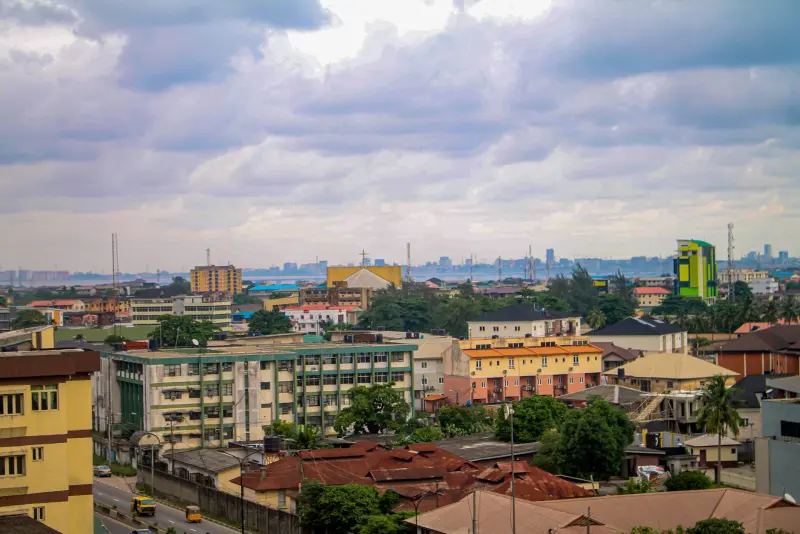
VPI Working Group
Secretariat
LITE-Africa — Leadership Initiative for Transformation and Empowerment
Sector: Oil, gas and mining
Coordinated by LITE-Africa. Promotes VP implementation through advocacy, stakeholder engagement, awareness campaigns and training for security forces and government agencies. It runs Regional Working Groups in the north and south of the country.
View group
VPI Working Group
Secretariat
No secretariat named in the source; contact: VPI Secretariat
Sector: Mining, energy and oil palm
Launched on 16 July 2026 in Port Moresby during PNG Resources Week, with support from the PNG Chamber of Resources and Energy. The newest group in the network and the return of an active group to the Asia-Pacific region.
View group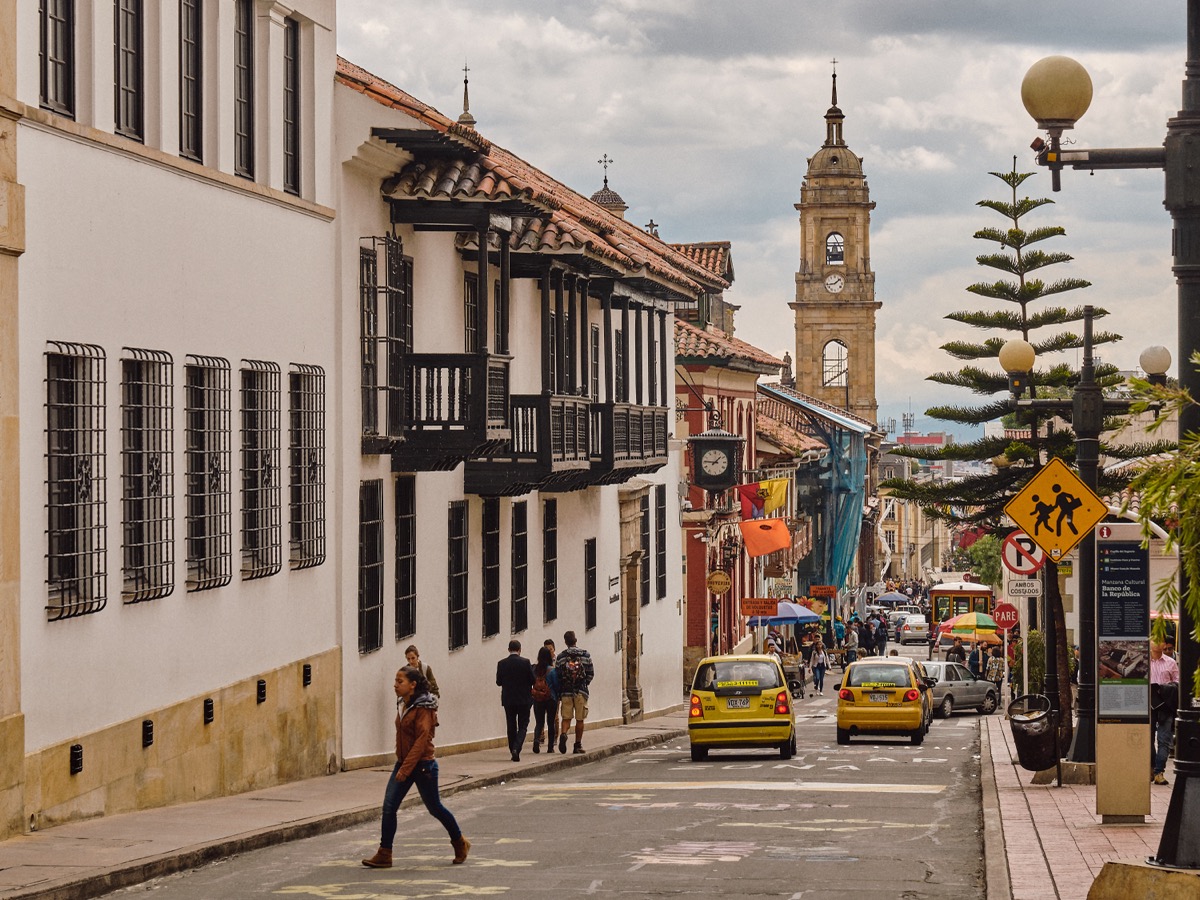
Partner Working Group
Secretariat
CME — Mining and Energy Security and Human Rights Committee
Sector: Mining, energy and oil
The oldest group in the network. Multi-stakeholder initiative focused on dialogue and collaboration between companies, government, civil society, academia and international organizations. Formalized as a non-profit association in 2015.
View groupPartner Working Group
Secretariat
CentraRSE
Sector: Extractive industries and agribusiness
Reactivated in 2025 after four years of inactivity. Brings together the private sector, civil society and diplomatic missions; CentraRSE coordinates logistics, agenda and facilitation. Working on a 2025–2027 roadmap.
View group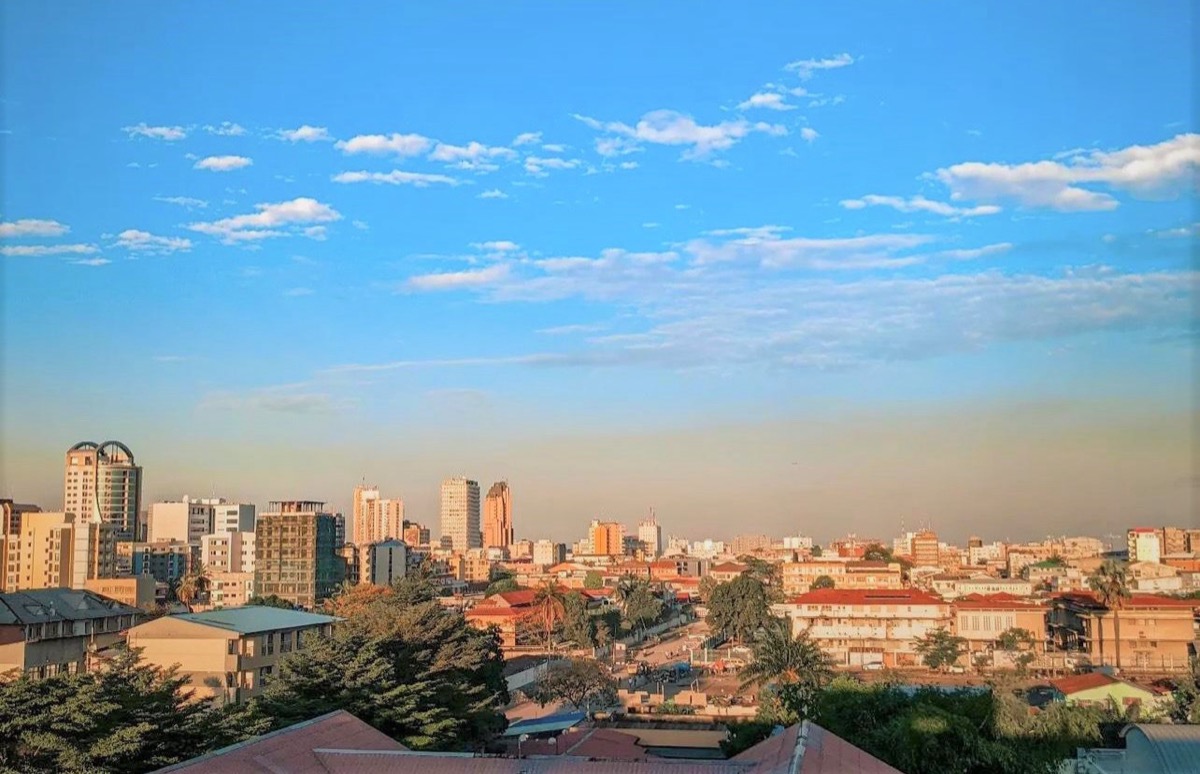
Partner Working Group
Secretariat
JUSTICIA Asbl · Observatoire Gouvernance et Paix
Sector: Cobalt, gold and critical mining
Operating in Haut-Katanga, Lualaba, Kongo Central and South Kivu. Promote supply chains free of insecurity and human rights violations through cooperation between civil society, companies and the State.
View group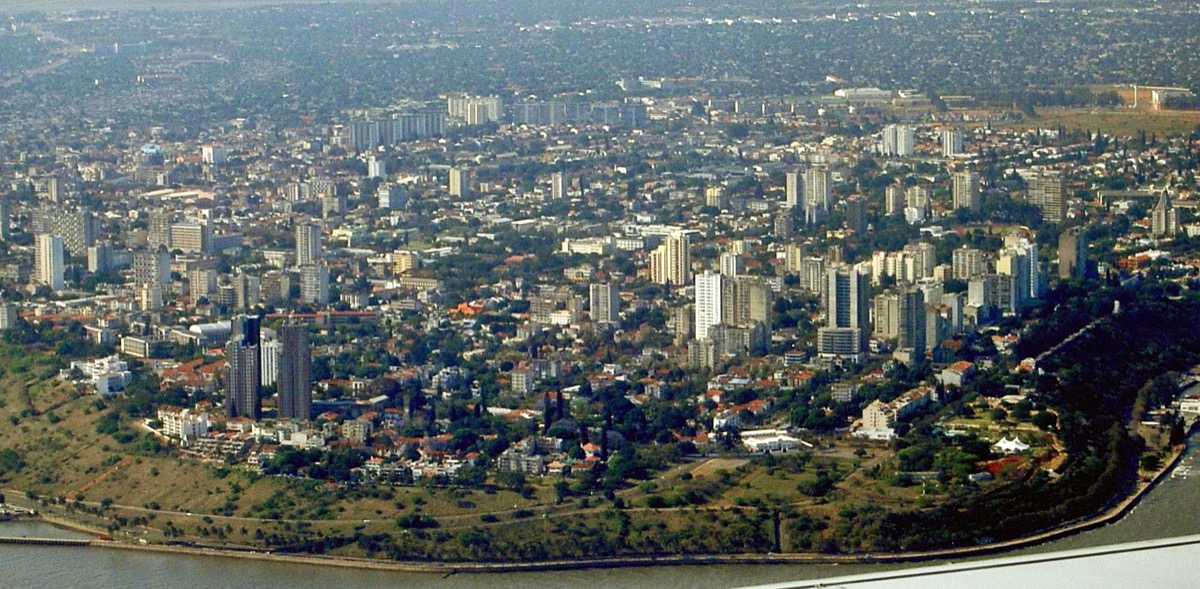
Partner Working Group
Secretariat
CDD — Centre for Democracy and Human Rights
Sector: Extractive industries
Multi-stakeholder initiative seeking to improve identification of security and human rights risks in multinational company operations in Mozambique.
View group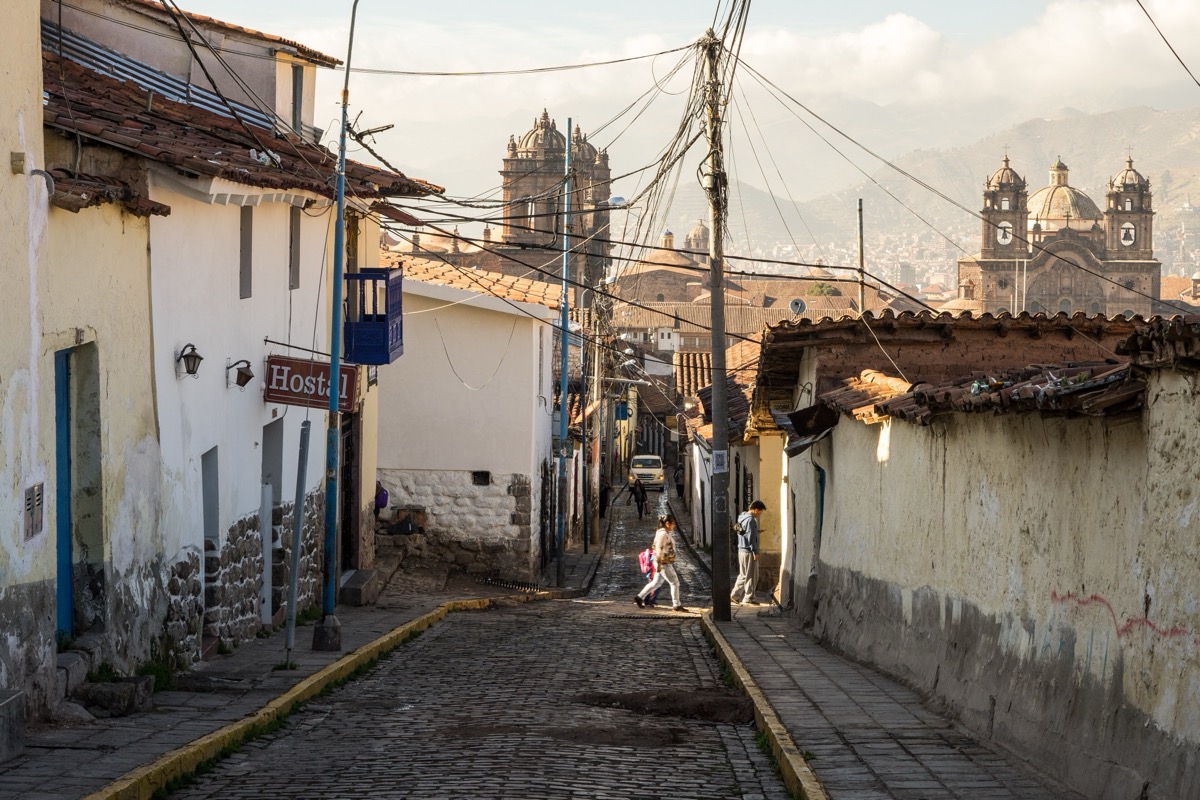
Partner Working Group
Secretariat
Centro Guamán Poma de Ayala
Sector: Small-scale and artisanal mining
Multi-stakeholder cooperation space focused on small-scale mining. Promotes a culture of dialogue in conflict management with an inclusive approach and commitment to sustainable regional development.
View group
Partner Working Group
Secretariat
DESCO — Centro de Estudios y Promoción del Desarrollo
Sector: Copper, silver, gold, iron, zinc, oil and gas
Multi-stakeholder space made up of state, business and civil society actors. Established in a context of growing social conflict to disseminate and implement the Voluntary Principles.
View group Suspended
Suspended group
Secretariat
MCRB — Myanmar Centre for Responsible Business
Sector: Oil, gas and mining
MCRB acted as the group’s secretariat and supported its activities: periodic meetings, dialogue, awareness-raising and a baseline study on security and human rights. Suspended since 2021 following the coup d’état; kept as a historical reference of the network.
View groupExecutive Secretariat of the Chile Working Group
The Executive Secretariat of the Chile Working Group is held by Fundación Empresas Indígenas, a non-profit organization headquartered in Temuco, Chile.
The Foundation builds bridges between Indigenous peoples and responsible companies in Chile and Latin America, contributing to Indigenous economic autonomy, inclusion, sustainability and reconciliation.
In its role as Secretariat, it facilitates the work of the Working Group and committees, coordinates quarterly plenary sessions, manages communications (LinkedIn, Instagram, monthly newsletter), articulates the relationship with VPI Global and prepares semiannual reports.
Executive Committee
Organizes plenary sessions, coordinates the agenda and liaises with the Secretariat.
Multi-stakeholder Engagement Committee
Convenes and engages with external actors. Coordinates field visits and dialogues.
Public Library
Foundational documents, implementation tools and best-practice guides of the Voluntary Principles, available for direct download.
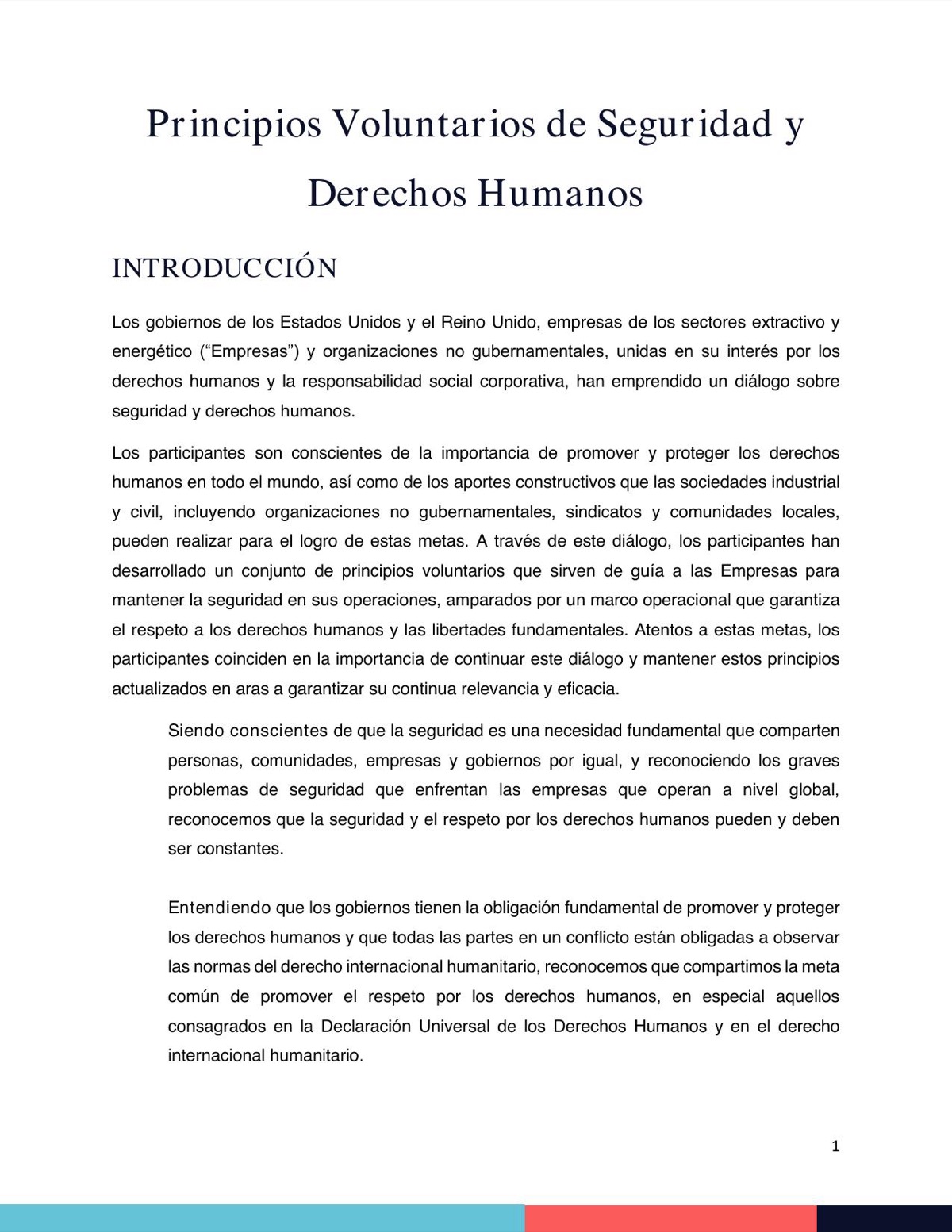 Foundational document2000
The founding document. Established in 2000 through dialogue between governments, companies and NGOs. Guides companies to maintain operational security while respecting human rights.
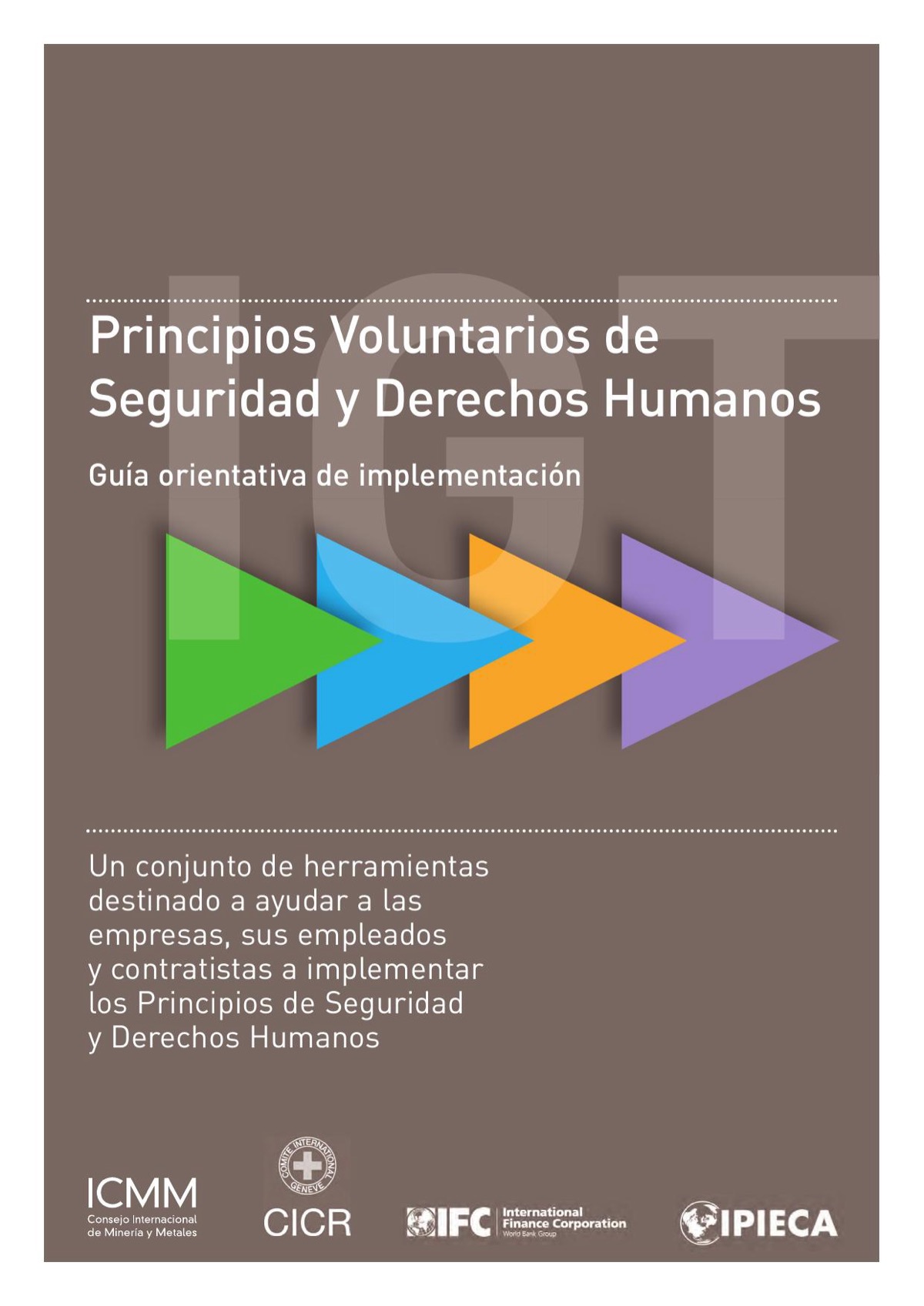 Tool2012
100-page practical guide organized in four modules: stakeholder engagement, risk assessment, public security providers, private security providers. Co-created with ICMM, ICRC, IFC and IPIECA.
 Quick guide2022
Practical implementation guide that helps companies and security professionals establish programs aligned with human rights, identifying and managing risks that could affect stakeholders and operations.
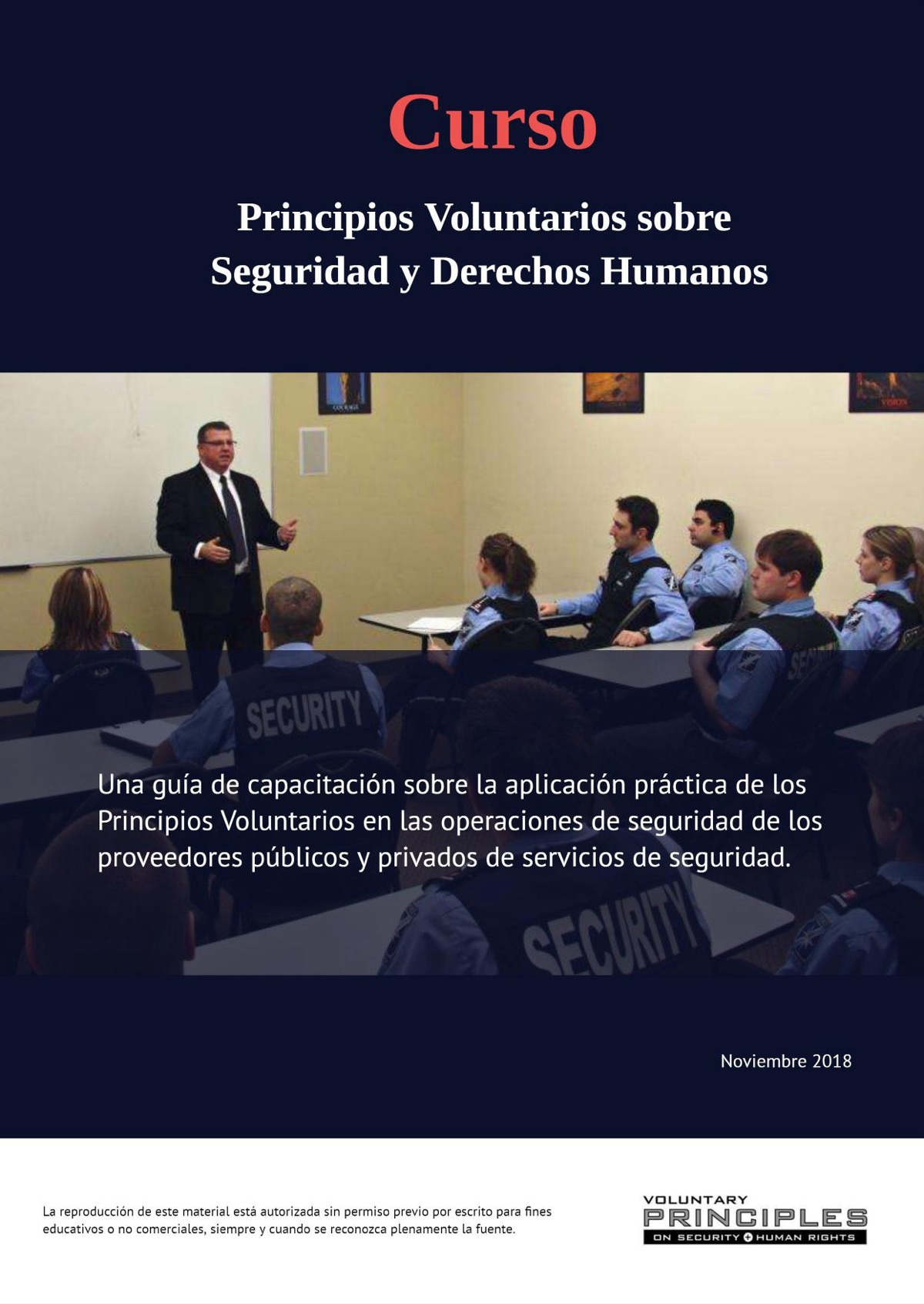 Training2018
A Voluntary Principles Initiative course for company security personnel and private and public security providers. It aims to give them knowledge and understanding of how to conduct their daily tasks in compliance with the VPSHR and with company policies on human rights and ethical conduct, and proficiency in the use of force or other coercive measures in accordance with human rights standards.
The Initiative keeps a wider library, which can be filtered by language: resource library at voluntaryprinciples.org ↗

Access the internal panel to view news, working documents, tools, minutes and the session calendar of the Chile Working Group.
Sign in with your email →The VPSHR are a global framework for the natural resources and energy sectors. If you represent a company, community or institution, you can learn more about how to participate.
Contact the Executive Secretariat →